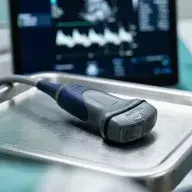
Hormonal contraception - the pill
Hormonal contraception with the pill is one of the most reliable pregnancy prevention methods — effectiveness exceeds 99% with correct use. Under gynaecologist supervision, the formulation is tailored to your health profile, age and lifestyle.
What Is Hormonal Contraception?
Hormonal contraception is the most effective reversible method of preventing pregnancy, using synthetic hormones to regulate ovulation and the menstrual cycle. When used correctly, efficacy exceeds 99%. At Palmotićeva Gynaecology Clinic, we help you choose the method that best suits your health and lifestyle.
Available Forms of Hormonal Contraception
Modern gynaecology offers a wide range of hormonal methods:
- Oral contraception (the pill): Combined pills (oestrogen + progesterone) or mini pills (progesterone only). Taken daily. Regulates the cycle, reduces pain and may improve skin.
- Contraceptive patch: Changed weekly, releases hormones through the skin. Practical for women who forget daily pill intake.
- Vaginal ring (NuvaRing): Inserted once monthly, releases a low dose of hormones locally. Discreet and comfortable.
- Hormonal coil (IUS — Mirena): Fitted by a gynaecologist, lasts 3–5 years. Minimal systemic effects, reduces or completely eliminates menstrual bleeding.
- Hormonal implant (Nexplanon): A small rod under the skin of the upper arm, lasts up to 3 years. High efficacy without daily concern.
- Depot injection: Administered every 3 months. Suitable for women wanting long-term protection without daily intake.
Benefits of Hormonal Contraception
Beyond pregnancy prevention, hormonal contraception provides numerous additional health benefits:
- Regulation of irregular menstrual cycles
- Reduction of menstrual pain (dysmenorrhoea)
- Reduction of heavy bleeding (menorrhagia)
- Improvement of skin in cases of acne and hirsutism
- Protection against endometriosis, ovarian cysts and anaemia
- Reduced risk of ovarian and endometrial cancer
Who Should Not Use Hormonal Contraception?
Although safe for most women, there are situations where it is contraindicated:
- Women with a history of deep vein thrombosis or pulmonary embolism
- Smokers over 35 (for combined preparations)
- Uncontrolled hypertension
- Migraine with aura (for oestrogen preparations)
- Hormone-dependent tumours
- Severe liver disease
Consultation and Method Selection
At Palmotićeva Clinic, the gynaecologist conducts a complete assessment before prescribing contraception: blood pressure measurement, medical history review, hormonal profile and ultrasound examination as needed. The goal is to find a method that is safe, effective and tailored to your individual needs.
Written by
Dr Slobodanka Petković
Specialist in Gynaecology & Obstetrics · 35+ years of experience
Patients often ask
The hormonal pill prevents pregnancy in three ways: (1) by blocking ovulation — preventing egg release, (2) by thickening cervical mucus — making it harder for sperm to pass, and (3) by thinning the endometrium — reducing the chance of implantation. Correct use ensures effectiveness exceeding 99%.
If you are less than 12 hours late (combined) or 3 hours (mini pill), take it as soon as you remember. If more time has passed, take the missed pill, continue as normal and use additional protection (condom) for the next 7 days. Consult your gynaecologist for precise guidance based on your pill type.
Studies show that multi-year hormonal contraception use is safe for most women with regular gynaecological check-ups. Moreover, protective effects are proven: reduced risk of ovarian and endometrial cancer, and control of endometriosis and PMS.
The most common mild side effects are nausea, breast tenderness, breakthrough bleeding and mood changes — these usually settle within the first 2–3 months. Rare but serious risks (thrombosis) exist for women with additional risk factors — hence gynaecological assessment is mandatory.
No. Hormonal contraception protects solely against pregnancy. For protection against sexually transmitted infections (chlamydia, gonorrhoea, HIV), condoms must be used alongside the pill.
Beyond contraception, the pill regulates the menstrual cycle, reduces period pain and heaviness, alleviates PMS, helps with acne and hirsutism, and is proven to reduce ovarian cancer risk by up to 50% after 5 years of use.