
LEEP (Loop electrical excision procedure)
LEEP (Loop Electrical Excision Procedure) is an outpatient procedure for excising abnormal cervical tissue using a thin wire loop carrying electrical current. At Palmotićeva Clinic, LEEP is used to treat CIN lesions (dysplasia) and verify HPV-related changes, with histopathological analysis of every specimen.
What is the LEEP procedure?
LEEP (Loop Electrosurgical Excision Procedure) is a modern medical technique for removing abnormal tissue from the cervix. It uses a special electrosurgical knife in the shape of a loop through which radio waves or electric current passes, allowing a precise cut without significant thermal damage to surrounding tissue.
LEEP is most commonly used to remove cervical changes detected by colposcopy or a screening test. Such changes are usually not malignant, but it is essential to remove them and send them for histopathological analysis to prevent potential malignant development. Compared to conization, LEEP has fewer complications.
Indications for the LEEP procedure
Your gynecologist may recommend LEEP in the following situations:
- An abnormal cervical cancer screening result (abnormal Pap smear)
- Diagnostic evaluation of changes observed during colposcopy
- Therapeutic treatment — removing abnormal cells before they become premalignant or malignant
How is LEEP performed?
The procedure is scheduled for a time when there is no menstrual bleeding to ensure optimal visualization of the cervix. In most cases, LEEP is performed on an outpatient basis and takes just a few minutes.
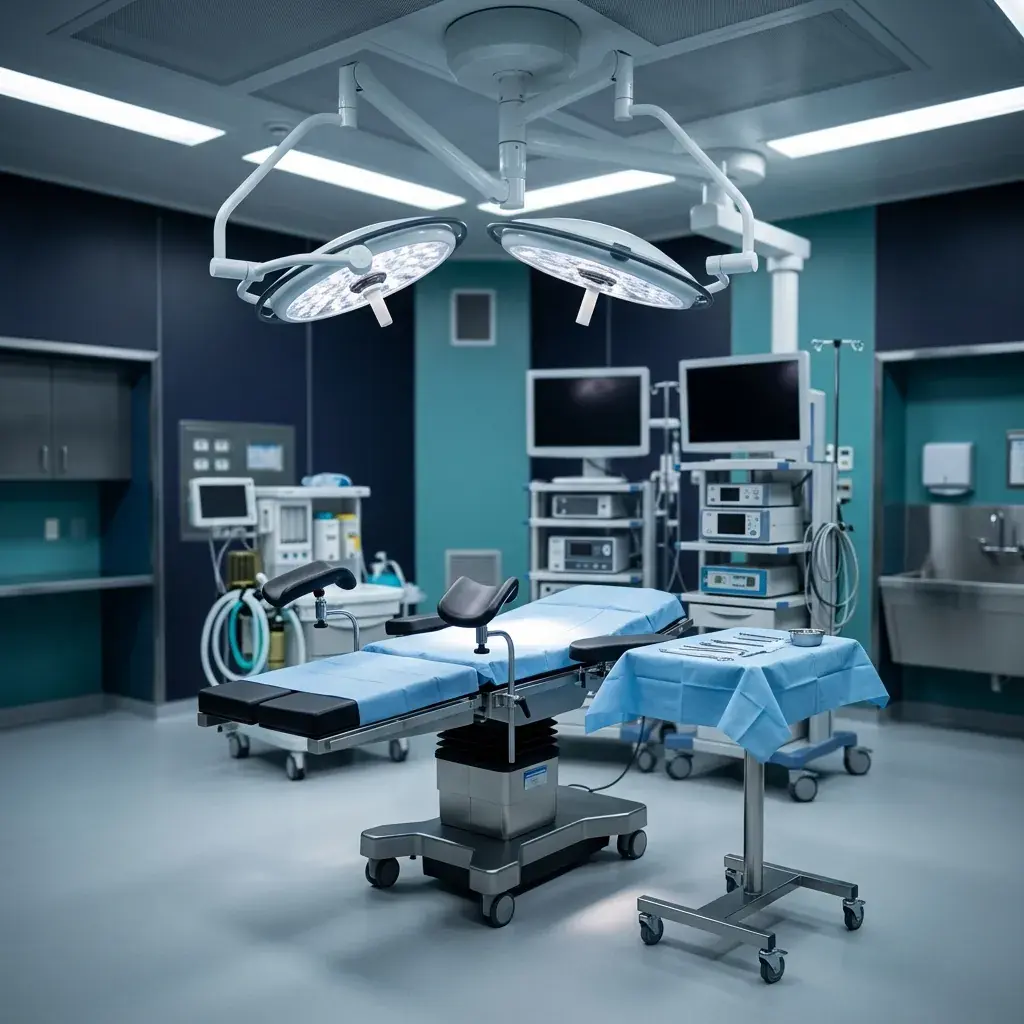
- The patient lies on the surgical table in a gynecological position
- The procedure is performed under general anesthesia, though local anesthesia is also an option
- The loop is inserted into the vagina to the cervix — different sizes and shapes of loops are available depending on the nature and extent of the lesion
- After the procedure, a special paste or electrocauterization is used to control bleeding
- The removed tissue is sent for histopathological examination to confirm the diagnosis
Risks and potential complications
LEEP is generally a safe procedure with minimal risks:
- Bleeding — the most common complication within the first 3 weeks after the procedure; if heavy bleeding occurs, contact your gynecologist
- Cervical stenosis — in rare cases, the cervix may narrow, which can cause more painful menstrual periods
Recovery after the LEEP procedure
After the procedure, you can expect:
- Watery or pinkish discharge
- Mild cramping in the lower abdomen
- A healing period of several weeks
While the cervical wound is healing:
- Do not use tampons
- Avoid sexual intercourse
- Follow your doctor's instructions on when it is safe to resume normal activities
Seek immediate medical attention if you experience:
- Heavy bleeding (heavier than a normal period)
- Bleeding with blood clots
- Severe abdominal pain
Follow-up and prevention after LEEP
After the procedure, a follow-up visit and regular cervical monitoring are essential. Cervical cancer screening is repeated to confirm that all abnormal cells have been removed and have not returned.
Tips for maintaining cervical health:
- Regular gynecological examinations and cervical cancer screening
- Quit smoking — smoking increases the risk of cervical cancer
- Limit the number of sexual partners and use condoms to reduce the risk of sexually transmitted diseases

Performed by
Dr Slobodanka Petković
Specialist in Gynaecology & Obstetrics · 35+ years of experience
Patients often ask
LEEP is a procedure for removing abnormal tissue from the cervix using an electrical wire loop. It is performed when cervical dysplasia (CIN 1–3) is confirmed, following an abnormal PAP test and biopsy confirming precancerous changes.
The procedure is performed under local anaesthesia of the cervix, making it painless. You may feel mild pressure or cramping. The entire procedure takes 10–15 minutes. General anaesthesia is not required.
Recovery takes 4–6 weeks. During this time avoid intercourse, tampons and bath soaking. Brown discharge for the first 7–10 days is normal. Most patients return to daily activities the same or next day.
LEEP removes a small amount of cervical tissue but in most cases has no negative impact on pregnancy or delivery. With more extensive excisions, there is a minimally increased risk of preterm delivery, which is carefully monitored during pregnancy.
LEEP is highly effective — it successfully removes dysplasia in over 90% of cases. Follow-up PAP test and HPV typing are performed 6 months after the procedure. In rare cases (5–10%), a repeat intervention is needed.