

How to choose the right contraceptive pill?
Choosing the right contraceptive pill depends on your hormonal profile, medical history and lifestyle. Combined pills contain oestrogen and progesterone, while mini pills contain only progesterone — your gynaecologist helps you find the best fit.
Why Is Choosing the Right Pill Individual?
The contraceptive pill is not a one-size-fits-all solution — different women have different needs. Choosing the right pill depends on your health status, age, hormonal profile, lifestyle and any contraindications. This is why a gynaecologist consultation is the first and most important step.
Types of Contraceptive Pills
There are two main groups of oral contraceptives available:
- Combined pills (COC): Contain oestrogen and progesterone. Most commonly prescribed, with high efficacy (over 99% with correct use). They regulate the cycle, reduce menstrual pain and improve skin condition.
- Progesterone-only pills (Mini pill): Contain no oestrogen. Suitable for breastfeeding women, those with migraines with aura, or oestrogen contraindications. Taken without a break.
What Does the Gynaecologist Consider?
During the consultation, the gynaecologist considers the following factors:
- Patient's age and whether pregnancy is planned in the near future
- Blood pressure and cardiovascular risk
- Smoking — particularly in women over 35
- History of migraines — migraines with aura are a contraindication for COC
- Family history of thrombosis
- Skin problems (acne, hirsutism) — certain pills have an anti-androgenic effect
- Breastfeeding — progestogen-only pills are safe during breastfeeding
Most Commonly Prescribed Pills
The most frequently used preparations include:
- Logest, Lindynette 20: Low-dose pills, suitable for younger women
- Yarina, Yasmin: Anti-androgenic effect, improve skin
- Diane-35: For women with pronounced acne or hirsutism
- Cerazette: Progesterone-only mini pill
- Belara: Good tolerability, weight-neutral effect
Frequently Asked Questions About Contraception
Many patients have questions about oral contraceptives:
- Does the pill cause weight gain? Modern low-dose pills have minimal impact on body weight
- How long can it be taken? The pill can be taken for years without a break, provided regular gynaecological check-ups
- Does it affect fertility? No — after stopping, fertility returns within 1–3 months
- Does it protect against STIs? No — the pill only prevents pregnancy; use condoms for infection protection
Book a Consultation
At Palmotićeva Clinic, our gynaecologist will help you choose the pill that is optimal for your health, lifestyle and needs. The appointment includes blood pressure measurement, hormonal profile review and detailed medical history.
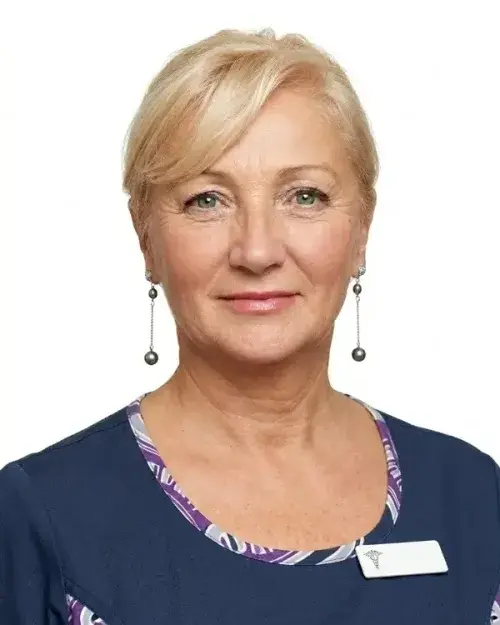
Written by
Dr Slobodanka Petković
Specialist in Gynaecology & Obstetrics · 35+ years of experience
Patients often ask
The combined pill contains two hormones — oestrogen and progesterone — and is taken for 21 days with a 7-day break. The mini pill contains only progesterone and is taken daily without breaks. The mini pill is more suitable for women who cannot take oestrogen (breastfeeding mothers, smokers over 35, women with migraine with aura).
Modern research does not confirm that current low-dose pills cause significant weight gain. Mild water retention in the first months is possible and temporary. If you notice changes, your gynaecologist can adjust the formulation.
Yes, certain combined pills with anti-androgenic effects (e.g. with cyproterone acetate or drospirenone) effectively reduce acne by regulating excess male hormones. A gynaecologist selects the formulation that specifically targets skin issues.
The combined pill is not recommended for women with: uncontrolled hypertension, history of thromboembolism, active liver disease, migraine with aura, smokers over 35, or hormone-dependent tumours. The mini pill may be an alternative in some of these cases.
The pill can be started on the first day of your period (protection is immediate) or on any day with additional protection for the next 7 days. Your gynaecologist will advise based on your cycle, health status and plans.
For most women, fertility fully returns within 1–3 months of stopping the pill. Ovulation is usually re-established in the first cycle after stopping, though it may vary individually.