Can I get pregnant while on my period?
The possibility of conceiving during or immediately after your period is negligible if you have a regular 28-day cycle, but for women with shorter or irregular cycles — the risk is absolutely real. Get to know your cycle and find the most reliable birth control methods.
Many women believe that pregnancy during or immediately after menstruation is impossible; however, the biology of the human body is more complex. The probability of conception during these days primarily depends on the length and regularity of your menstrual cycle. While the chances are significantly reduced in an ideal 28-day cycle, for women with shorter cycles, the risk of an unplanned pregnancy is absolutely real.
Understanding the Menstrual Cycle and Ovulation
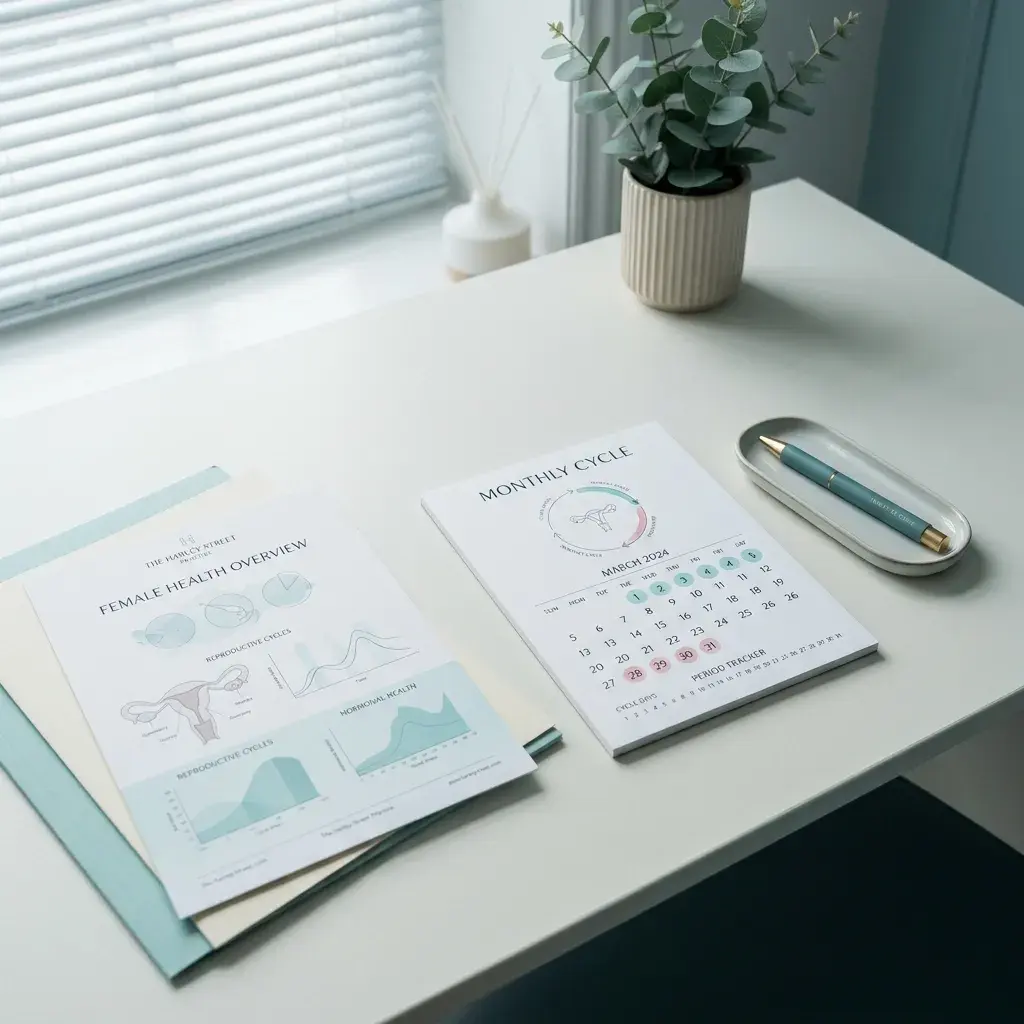
The menstrual cycle is a precise hormonal mechanism that prepares the body for a potential pregnancy. It is tracked from the first day of bleeding (cycle day 1) to the start of the next menstruation. An average cycle lasts 28 days, with ovulation—the release of a mature egg capable of fertilisation—occurring around day 14.
A critical factor in assessing risk is the exceptional vitality of sperm. In the favourable environment of the reproductive tract (uterus and fallopian tubes), sperm can survive and retain fertilising capacity for three to five days. In contrast, an egg lives for a very short time, a maximum of 24 hours after release.
When is Conception During Bleeding Possible?
For women with a textbook 28-day or longer cycle, menstruation days represent the safest period. If you have intercourse during bleeding and ovulation occurs over a week later, any sperm present will not survive until then.
However, the scenario changes if you have a short cycle (e.g., 21 to 24 days):
- Early Ovulation: Women with shorter cycles often ovulate much earlier, sometimes as early as day 7 or 8 of their cycle.
- Sperm Survival: If you have unprotected intercourse near the very end of your period (e.g., day 5 or 6), and you ovulate a few days later, living sperm may successfully fertilise the egg.
When is Bleeding Not a Sign of Safety?
One of the most common clinical errors leading to an unplanned pregnancy occurs when women mistake other types of bleeding for a regular period. Not all vaginal bleeding indicates an absence of pregnancy or an infertile window.
- Ovulatory Bleeding: Some women experience light spotting at the exact moment of ovulation. If you assume this is a period and have unprotected sex, you are actually risking pregnancy at your peak fertility.
- Implantation Bleeding: This occurs about a week to two weeks after conception, when a fertilised egg implants into the uterine wall. This bleeding usually precedes the expected date of your next period and is the first sign of an established pregnancy.
The Pull-Out Method and Reliable Protection
The pull-out method (coitus interruptus) is statistically one of the most unreliable ways to prevent pregnancy. Before actual ejaculation occurs, a man releases pre-ejaculatory fluid that contains enough active sperm to cause fertilisation. Additionally, this "method" offers absolutely no protection against sexually transmitted diseases (HPV, Chlamydia, Mycoplasma, HIV).
To protect against unwanted pregnancy and preserve reproductive health, the condom remains the gold standard in mechanical barrier methods. Meanwhile, modern low-dose oral contraceptive pills, when prescribed by an expert physician, offer superior reliability and cycle control.
If you are unsure about your fertile days, experience unexpected bleeding, or require a gynaecological consultation regarding the best contraceptive choice, our expert team at Palmotićeva Clinic is at your service.

Written by
Dr Slobodanka Petković
Specialist in Gynaecology & Obstetrics · 35+ years of experience
Patients often ask
No. Some bleeding happens for other reasons (ovulation or implantation spotting) which can be easily confused with your period. If you have unprotected sex during these times, pregnancy is possible.
Sperm can live in the uterus and fallopian tubes for up to 5 days. If you have sex at the end of your period and ovulate early, those sperm can fertilize an egg.
Fertility peaks around the middle of your cycle. If your cycle is 28 days, ovulation usually occurs on day 14. However, the calendar method is not entirely safe without checking basal temperature, cervical mucus, or using reliable contraception.
The pull-out method is never reliable, regardless of your cycle day. Pre-ejaculate fluid carries pregnancy risk, and this method does not protect against sexually transmitted diseases.
If your next expected period is late or you notice early pregnancy symptoms, taking a home pregnancy test is advised. For certainty, schedule a Beta-hCG blood test and a gynecological ultrasound consultation.