Endometriosis
Endometriosis — a chronic condition affecting 10–15% of women. Learn about symptoms, diagnosis, and modern treatment methods.
What is endometriosis?
Endometriosis is a chronic gynecological condition where tissue similar to the endometrium (inner uterine lining) appears outside the uterus — on the ovaries, fallopian tubes, intestines, bladder, and peritoneal cavity. It affects 10–15% of reproductive-age women and is a leading cause of infertility and chronic pelvic pain.
Symptoms of endometriosis
- Dysmenorrhea — intense menstrual pain that worsens over the years
- Chronic pelvic pain — pain persisting outside the menstrual cycle
- Dyspareunia — pain during sexual intercourse
- Heavy periods (menorrhagia) — and bleeding between cycles
- Fertility problems — endometriosis is present in 30–50% of women with infertility
- Gastrointestinal symptoms — bloating, diarrhea, constipation, especially during menstruation
- Fatigue and exhaustion — chronic fatigue associated with the inflammatory process
Diagnosing endometriosis
- Gynecological examination — palpation may reveal painful nodules or endometriomas
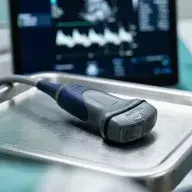
- Transvaginal ultrasound — identification of endometriomas (chocolate cysts) on the ovaries
- Pelvic MRI — more detailed visualization of deep endometriosis
- CA-125 marker — elevated in advanced endometriosis but not specific
- Laparoscopy — gold standard for definitive diagnosis with histological confirmation
Treatment of endometriosis
- Hormonal therapy — oral contraceptives, progestins, GnRH agonists to suppress endometriotic growth
- Analgesics — NSAIDs for pain control
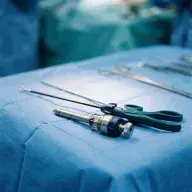
- Laparoscopic surgery — minimally invasive removal of endometriotic lesions and adhesions
- Infertility treatment — IVF for women with endometriosis wanting pregnancy
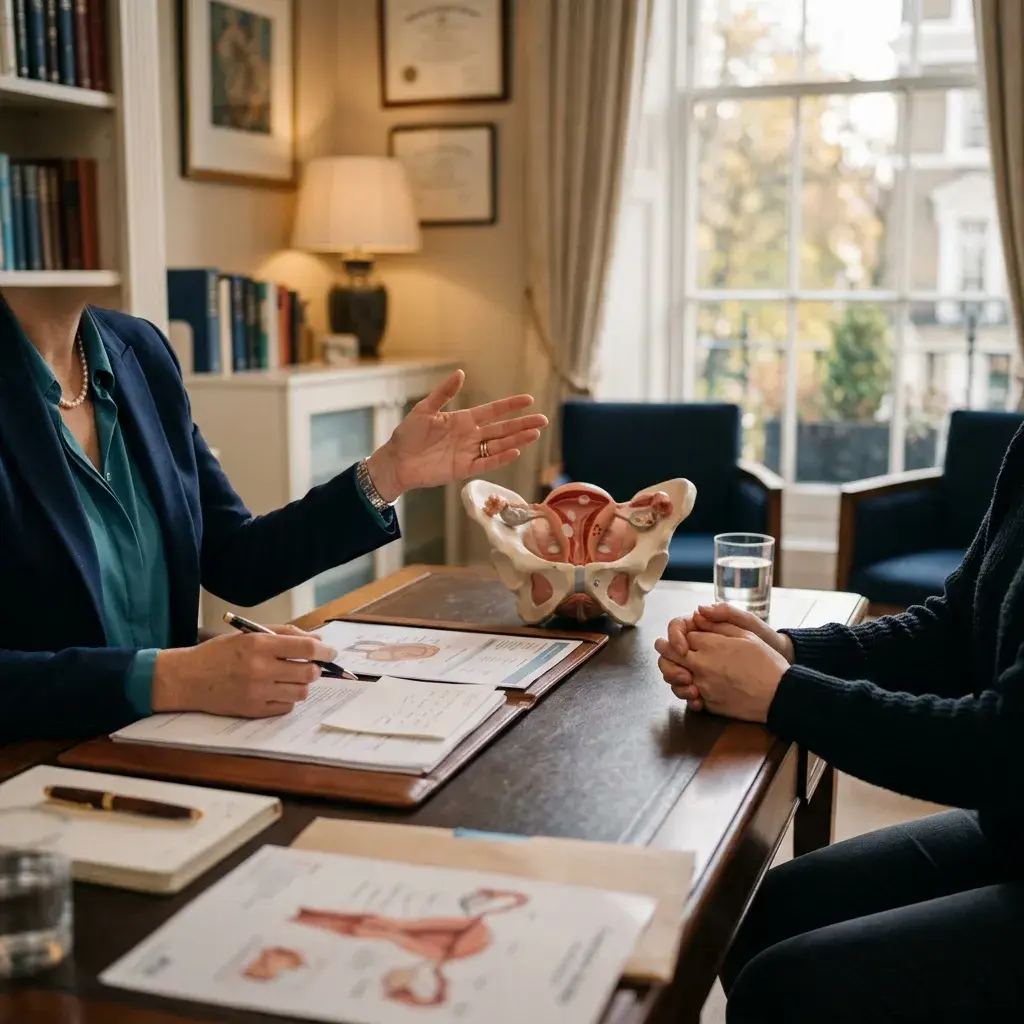
- Multidisciplinary approach — gynecologist, urologist, and gastroenterologist collaboration for deep endometriosis
Living with endometriosis
Endometriosis is a chronic condition requiring long-term monitoring and individualized treatment. Early diagnosis and timely therapy significantly improve quality of life and chances of pregnancy.
Read also:
Endometriosis: hidden symptoms →
Written by
Dr Đorđe Petković
Consultant in Operative & Endoscopic Gynaecology · 17+ years of experience
Patients often ask
Yes, endometriosis is present in 30-50% of women with infertility. It can damage ovaries and fallopian tubes, but successful treatments including laparoscopy and IVF are available.
Ultrasound can detect endometriomas, but the gold standard is laparoscopy with histological confirmation. MRI is useful for deep endometriosis.
Symptoms usually decrease after menopause due to declining estrogen levels, but in rare cases may persist.
Endometriosis is a chronic condition without a definitive cure, but it can be successfully managed with hormonal therapy and surgery.