Tests to detect sterility
Infertility tests — complete diagnostics for women and men. Hormonal panel, ultrasound, HSG, and spermiogram.
Infertility testing
To discover the cause of infertility, systematic diagnosis involving both the woman and man is necessary. Tests may take one to two menstrual cycles, depending on the gynecologist's initial assessment.
Tests for women
- Hormonal panel (cycle day 3) — FSH, LH, estradiol, prolactin, TSH, AMH
- Progesterone (day 21) — ovulation confirmation
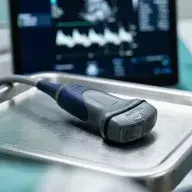
- Ovarian and uterine ultrasound — antral follicle count, morphology, endometrial thickness
- Hysterosalpingography (HSG) — X-ray test of fallopian tube patency with contrast
- Sono-hysterosalpingography — ultrasound variant of HSG
- Hysteroscopy — direct examination of the uterine cavity
- Laparoscopy — surgical diagnosis of endometriosis and adhesions
- PAP test and cervical cultures — excluding infections
Tests for men
- Spermiogram — analysis of sperm count, motility, and morphology (WHO criteria)
- MAR test — detection of anti-sperm antibodies
- Hormonal panel — testosterone, FSH, LH, prolactin
- Testicular ultrasound — detection of varicocele or structural anomalies
- Genetic tests — karyogram, Y-chromosome microdeletions in severe male factor
Interpreting results
- Anovulation — ovulation disorder identified through progesterone and ultrasound
- Tubal obstruction — fallopian tube blockage on HSG requires laparoscopy or IVF
- Diminished ovarian reserve — low AMH and AFC indicate need for prompt intervention
- Male factor — abnormal spermiogram requires urological evaluation
Next steps plan
Based on complete results, the gynecologist and reproductive endocrinologist create an individualized treatment plan — from ovulation stimulation to IVF/ICSI programs.

Written by
Dr Slobodanka Petković
Specialist in Gynaecology & Obstetrics · 35+ years of experience
Patients often ask
AMH (Anti-Müllerian hormone) and antral follicle count on ultrasound together provide the best assessment of ovarian reserve.
Yes, spermiogram results can vary from sample to sample. Repeating the test after 2-3 months before conclusions is recommended.
HSG may cause mild discomfort or cramping, similar to menstrual pain. Taking analgesics before the procedure is recommended.