Biopsy
Cervical biopsy — a diagnostic procedure for definitive diagnosis of premalignant and malignant cervical changes.
What is a cervical biopsy?
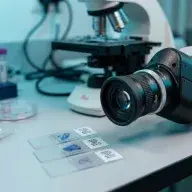
A cervical biopsy is a diagnostic procedure that takes a tissue sample from the cervix for histopathological (cytological or pathohistological) analysis. It represents the gold standard for definitive diagnosis of premalignant and malignant cervical changes.
When is a biopsy performed?
- Abnormal PAP test — findings of atypical cells (ASC-US, LSIL, HSIL, AGC)
- Pathological colposcopy findings — acetowhite lesions, mosaic, punctation, atypical vessels
- HPV positivity — high-risk HPV types (16, 18, 31, 33, etc.)
- Visible changes — cervical lesions visible to the naked eye
- Post-treatment follow-up — monitoring after LEEP/conization
Procedure overview
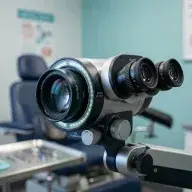
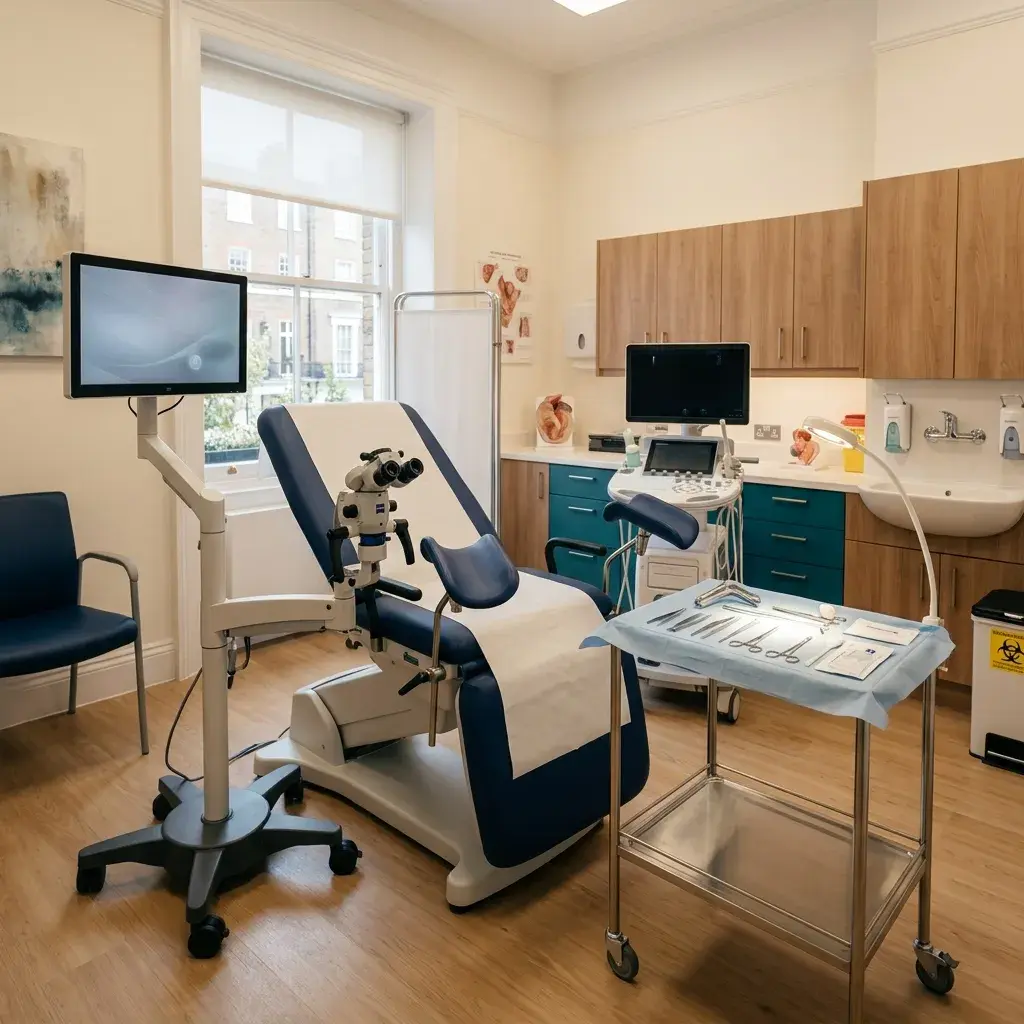
- Colposcopic examination — magnified cervical visualization before biopsy
- Acetic acid application — marking pathological zones
- Tissue sampling — using special forceps (punch biopsy) or curette (endocervical curettage)
- Hemostasis — stopping bleeding with hemostatic agent (Monsel solution)
- Duration — the entire procedure takes 10–15 minutes
After the biopsy — what to expect?
- Light bleeding or brown discharge — normal for 3–5 days
- No tampons or sexual intercourse — minimum 48 hours, or as advised by doctor
- Avoid bath soaking — showering is fine
- Results — histopathological findings are usually ready in 7–14 days
- No intense physical activity — light movement is allowed
Possible biopsy results
Results range from normal findings, through CIN I (mild dysplasia) to CIN II/III (moderate/severe dysplasia) and carcinoma in situ. Based on findings, the gynecologist recommends a plan — from monitoring to LEEP procedure or conization.

Performed by
Dr Đorđe Petković
Consultant in Operative & Endoscopic Gynaecology · 17+ years of experience
Patients often ask
There may be mild discomfort or a brief pinch, but the procedure is generally well-tolerated. Anesthesia is usually not needed for a punch biopsy.
Recovery is quick — light bleeding or brown discharge lasts 3-5 days. Normal activities can be resumed the same day.
Histopathological findings are usually ready in 7-14 days. Your gynecologist will call you to discuss results and further plans.