Gynecological examination
A basic gynecological examination at Palmotićeva Clinic includes a speculum exam, PAP smear, colposcopy and transvaginal ultrasound. Annual preventive check-ups are essential for early detection of cervical changes and reproductive health.
What does a basic gynecological examination include?
A basic gynecological examination is a fundamental preventive procedure that enables early detection of diseases of the female reproductive organs. At Palmotićeva Clinic, every examination is performed thoroughly and without rush, using modern diagnostic equipment.
Steps of a basic gynecological examination
A complete basic examination at our clinic involves the following steps:
1. Medical history — consultation with the doctor
Before the physical examination, the gynecologist takes a detailed history: asking about your menstrual cycle, any complaints, previous pregnancies, contraception, family medical history and any changes you have noticed. This conversation is confidential and forms the basis for an accurate diagnosis.
2. Speculum examination
The gynecologist visually examines the vagina and cervix using a speculum — a medical instrument that gently opens the vaginal walls. The examination is painless and takes only 2–3 minutes. During the exam, the doctor identifies any changes: inflammation, polyps, erosions or unusual discharge.
3. PAP test (cervical smear)
The PAP test is a cervical cytology smear used for early detection of dysplasia and premalignant conditions. It is taken quickly and painlessly, with results available within 5–7 working days. It is recommended annually for all sexually active women.
4. Colposcopy
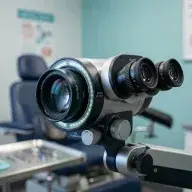
Colposcopy is a magnified examination of the cervix using a colposcope — an optical device providing 10–40x magnification. It enables precise detection of changes invisible to the naked eye: CIN lesions, HPV changes, leukoplakia. At our clinic, colposcopy is a standard part of every examination.
5. Bacteriological swabs
When needed, vaginal and cervical swabs are taken for bacteria, fungi and sexually transmitted infections (Chlamydia, Mycoplasma, Ureaplasma, HPV typing). Results are available within 3–5 working days.
6. Post-examination consultation
After the examination, the doctor explains all findings on the spot, provides a diagnostic conclusion and defines a follow-up or treatment plan if necessary. Our approach is open dialogue — every question is welcome.
When should you have a gynecological examination?
An annual gynecological examination is recommended even when you have no complaints. It is especially important to see a doctor if you have:
- Irregular or extremely painful periods
- Unusual vaginal discharge (colour, smell, quantity)
- Bleeding between periods or after intercourse
- Lower abdominal or pelvic pain
- Itching, burning or irritation in the vulvar area
How to prepare for a gynecological examination
- Do not use vaginal creams, douches or tampons 24 hours before the exam
- The ideal timing is 5–7 days after your period (for the PAP test)
- Avoid intercourse 24h before the exam if swabs are being taken
- No special hygiene is needed — your normal routine is perfectly fine
Why choose Palmotićeva Clinic?
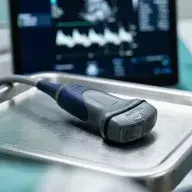
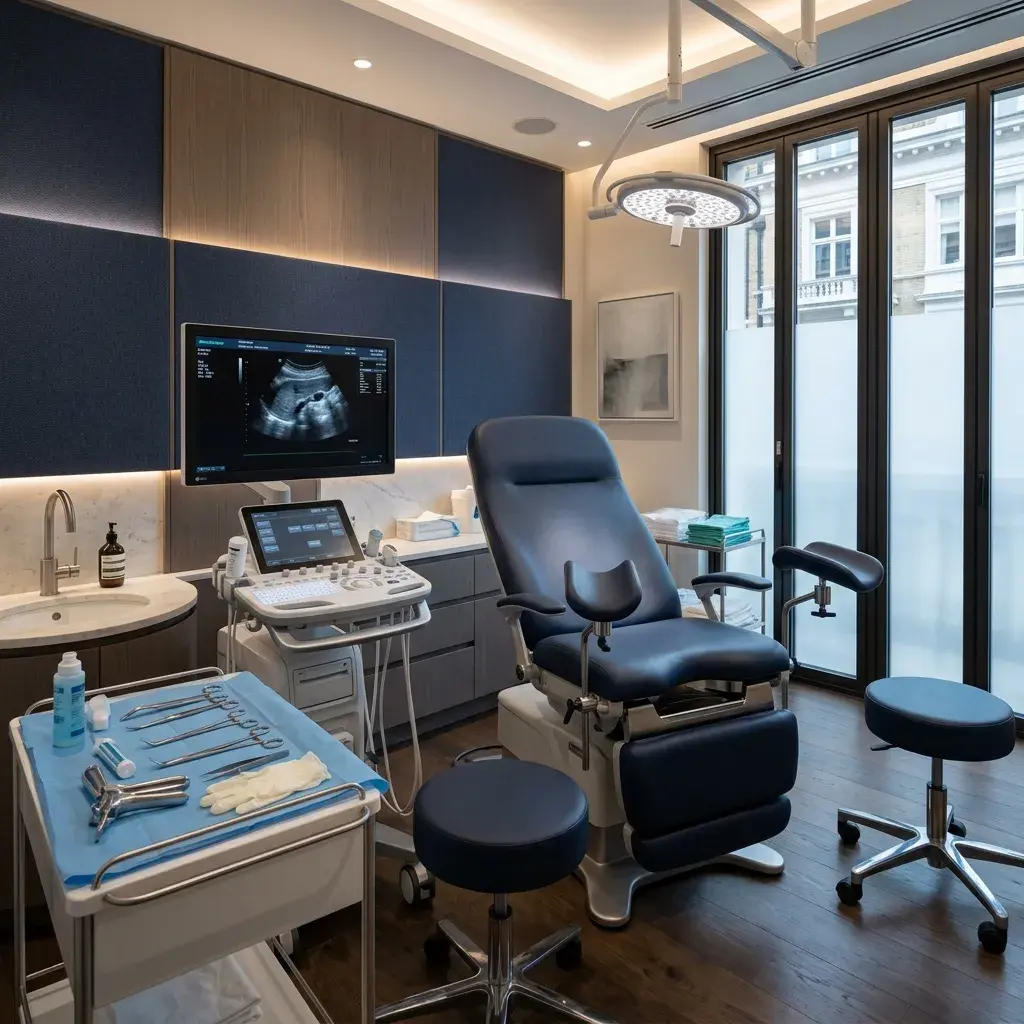
Palmotićeva Gynecology Clinic in central Belgrade is equipped with a high-definition video colposcope and the latest generation ultrasound machine. All findings are interpreted immediately on the spot, with no waiting for basic examination results. Same-day laboratory diagnostics are also available.
Read more:
Gynecology — General Speciality Overview
Colposcopy — Detailed Cervical Examination
PAP Test — Cytological Screening
Gynecological Diagnostics

Performed by
Dr Slobodanka Petković
Specialist in Gynaecology & Obstetrics · 35+ years of experience
Patients often ask
The basic exam includes a consultation (medical history), speculum examination (visual inspection of the vagina and cervix), PAP smear for cervical cytology screening, bacteriological swabs if needed, and post-examination consultation. At our clinic, we routinely include colposcopy as standard.
Do not use vaginal creams, douches or tampons 24 hours before the exam. The ideal timing is 5–7 days after your period. Avoid intercourse 24h before if swabs are being taken. No special hygiene is needed — your normal routine is perfectly fine.
A complete basic examination takes approximately 20–30 minutes, including the consultation, examination and explanation of findings. If additional diagnostic procedures are performed (ultrasound, colposcopy), the visit may last up to 45 minutes.
A PAP test is recommended annually for sexually active women, or as indicated by your doctor. It is not mandatory at every visit, but we include it when more than a year has passed since the last smear or when risk factors are present.
Call us by phone or book online via the form on our website. No referral is needed — we accept patients directly. Same-day appointments may be available depending on availability.