Conization
Conization is a diagnostic and therapeutic procedure for taking a cone-shaped tissue sample from the cervix. Performed via LEEP excision or scalpel for diagnosis and treatment of precancerous changes.
What is conization?
Conization is a gynecological diagnostic and therapeutic procedure in which a cone-shaped tissue sample is taken from the cervical canal to diagnose and treat precancerous or early malignant changes. The procedure can be performed with a scalpel (cold knife conization) or LEEP/LOOP electrical excision.
When is conization recommended?
- Abnormal PAP test: results indicating dysplasia (CIN 1, CIN 2, CIN 3)
- Abnormal colposcopy: suspicious changes on the cervix visualized by colposcope
- High-risk HPV strains: positive for HPV 16 or 18
- Inadequate biopsy: when a standard biopsy doesn't provide enough tissue for diagnosis
- Adenocarcinoma in situ or suspicion of early invasive carcinoma
Types of conization
- LEEP/LOOP excision: uses an electrical wire loop to excise tissue — the most commonly used method, fast and precise
- Cold knife conization: uses a surgical scalpel — provides a histologically clean sample without thermal artifact
- Laser conization: uses a CO2 laser — minimal thermal damage, precise cutting
How is conization performed?
- The procedure is performed under general anesthesia (larger changes) or local anesthesia (smaller LEEP procedures)
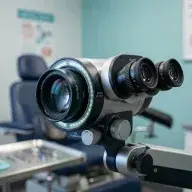
- The transformation zone on the cervix is visualized with a colposcope
- A cone-shaped tissue sample is carefully excised
- The sample is sent for histopathological analysis
- The procedure takes 15–30 minutes
- Minor conization (LOOP method) is ambulatory — the patient goes home the same day
Recovery after conization
- Mild bleeding and dark discharge are normal for 2–4 weeks
- Avoid sexual intercourse, tampons, and bathing in a tub for 4–6 weeks
- Physical activity should be moderate for 2 weeks
- Follow-up PAP test and colposcopy after 6 months
- Histopathology results are available within 7–14 days
Does conization affect pregnancy?
Conization usually does not affect the ability to conceive. In some women, slight shortening of the cervix may occur, requiring additional monitoring during pregnancy. Your gynecologist will provide detailed advice on pregnancy planning after conization.

Performed by
Dr Đorđe Petković
Consultant in Operative & Endoscopic Gynaecology · 17+ years of experience
Patients often ask
The procedure is performed under anesthesia (general or local), so there is no pain during the procedure. Mild cramping is possible afterward and is managed with analgesics.
Mild bleeding is normal for 2–4 weeks. Sexual intercourse, tampons, and bathing in a tub should be avoided for 4–6 weeks. Full activity within 2 weeks.
Conization usually does not affect the ability to conceive. Some women may experience slight cervical shortening, requiring monitoring during pregnancy.
LEEP uses an electrical loop and is faster but may cause thermal artifact on the sample. Cold knife conization provides a cleaner histological specimen.
Histopathology results are available within 7–14 days. Further treatment or monitoring is decided based on these results.