Sterility in men
Male infertility results from impaired sperm production, ejaculation disorders, or lifestyle factors. With timely diagnosis and treatment at Palmotićeva, achieving pregnancy becomes possible.
Causes of male infertility
Male infertility is a condition affecting a significant percentage of couples with conception problems. Multiple factors can reduce sperm count, motility, or function. Timely diagnosis is key to successful treatment.
Impaired sperm production
- Oligospermia: low sperm concentration (below 10 million/ml)
- Asthenospermia: reduced sperm motility
- Teratospermia: abnormal sperm morphology — reduced ability to penetrate the egg
- Varicocele: enlarged testicular veins that impair normal cooling and sperm production
- Cryptorchidism: undescended testicles — require early surgical correction
- Hypogonadism: testosterone deficiency affecting spermatogenesis
- Genetic defects: Klinefelter syndrome, Y-chromosome microdeletions
- Infections: chlamydia, gonorrhea (bacterial) and mumps (viral) can permanently damage the testes
Ejaculation disorders
- Erectile dysfunction: inability to achieve or maintain an erection
- Retrograde ejaculation: sperm travels backward into the bladder
- Seminal duct obstruction: mechanical blockage due to trauma, infection, or congenital anomaly
- Premature ejaculation and dyspareunia (pain during intercourse)
- Anti-sperm antibodies: immunological factors that damage one's own sperm
Lifestyle factors affecting fertility
- Diet: deficiency of vitamin C, selenium, zinc, and folate directly reduces sperm quality
- Obesity: excess body weight is proven to be associated with reduced fertility
- Alcohol and drugs: cocaine and marijuana reduce sperm count and motility
- Anabolic steroids: directly cause testicular atrophy and drastically reduce sperm production
- Stress and insufficient sleep: hormonal imbalance affecting the reproductive system
- Heat exposure: frequent sauna use, hot baths, or working in hot environments
Diagnostics at Palmotićeva
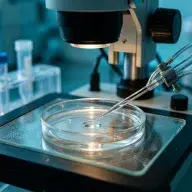
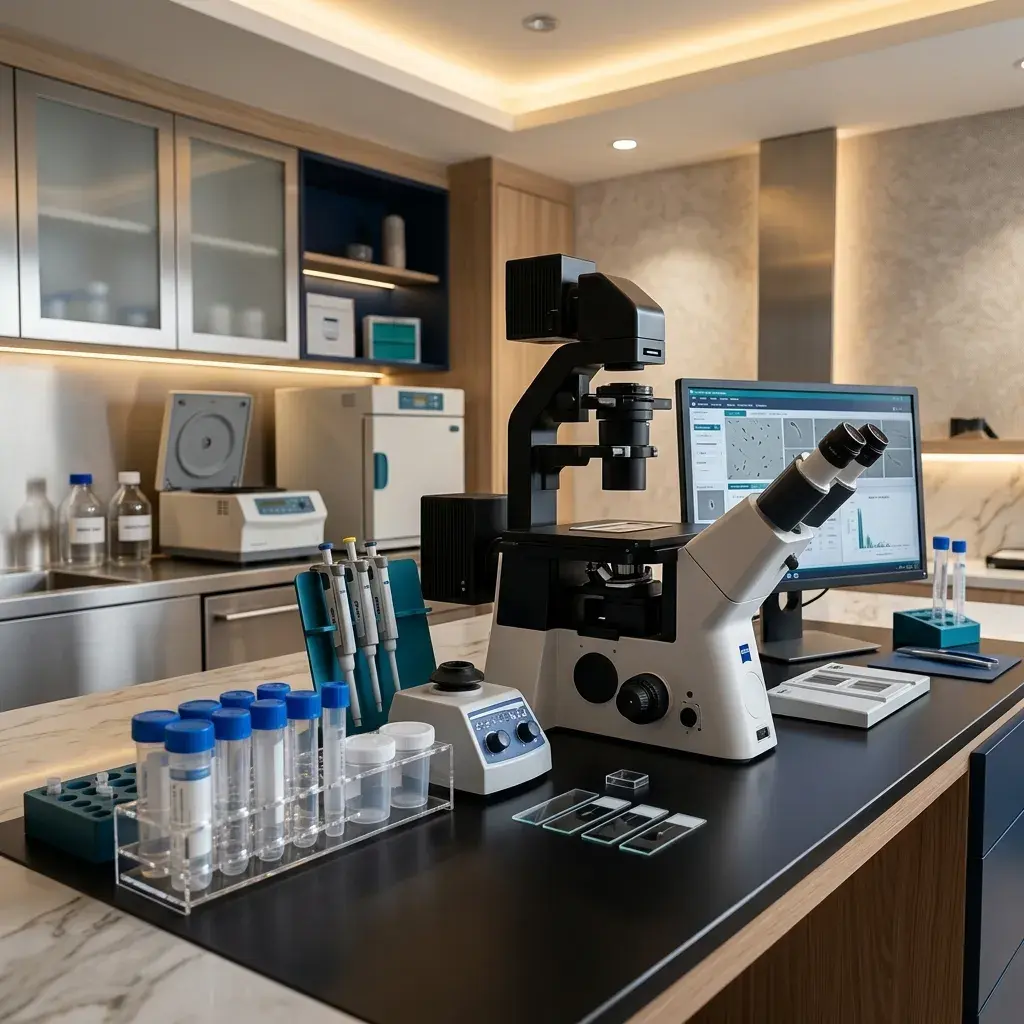
- Semen analysis: basic analysis of sperm count, motility, and morphology
- Hormonal profile: testosterone, FSH, LH, prolactin
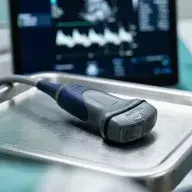
- Testicular ultrasound: varicocele and structural assessment
- Genetic testing: as indicated — karyotype, Y-microdeletions
Treatment of male infertility
Based on diagnostic results, our specialist team recommends an individualized treatment plan that may include medication therapy, surgical correction (varicocele), or referral for assisted reproduction (IVF/ICSI).

Written by
Dr Đorđe Petković
Consultant in Operative & Endoscopic Gynaecology · 17+ years of experience
Patients often ask
The basic test is a semen analysis — evaluating sperm count, motility, and morphology. Additional tests include hormonal profile, testicular ultrasound, and genetic testing as indicated.
Yes. Depending on the cause, options include medication therapy, surgical varicocele correction, or assisted reproduction (IVF/ICSI) for more severe cases.
Absolutely. Obesity, smoking, alcohol, drugs, and stress significantly reduce sperm quality. Lifestyle changes are often the first step in treatment.
Yes. Varicocele is one of the most common causes of male infertility. Surgical correction improves sperm parameters in 60–70% of cases.
Semen analysis results are available within 2–3 days. Complete diagnostics including hormonal analysis and ultrasound takes about one week.