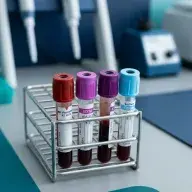
HIV / AIDS
Conditions
HIV/AIDS — diagnostics, prevention, and treatment. Pregnancy screening and antiretroviral therapy.
What is HIV?
HIV (Human Immunodeficiency Virus) attacks the immune system, specifically CD4+ T-lymphocytes, progressively weakening the body's defense. Untreated, HIV leads to AIDS.
Transmission routes
- Sexual contact — unprotected vaginal, anal, oral sex
- Blood — contaminated needles, transfusion (extremely rare today)
- Vertical transmission — mother-to-child during pregnancy, delivery, or breastfeeding
HIV infection symptoms
- Acute phase (2-4 weeks): Fever, rash, swollen lymph nodes, muscle aches — flu-like syndrome
- Asymptomatic phase: May last years without symptoms while virus progressively destroys immune cells
- AIDS: CD4+ < 200 cells/μL, opportunistic infections, malignancies
Diagnostics
- ELISA/CMIA (4th generation) — combined HIV antibody and p24 antigen testing
- Rapid test — results in 20 minutes, screening method
- Western blot — confirmatory test
- PCR (viral load) — HIV RNA quantification
- CD4+ count — immunological status assessment
HIV in pregnancy
- Mandatory screening — first trimester testing
- Antiretroviral therapy (ART) — reduces vertical transmission risk to < 1%
- Delivery method — planned cesarean if viral load is detectable
- Breastfeeding — contraindicated where formula is available
Prevention
Consistent condom use, PrEP for high-risk groups, and regular testing are key to HIV prevention.

Written by
Dr Slobodanka Petković
Specialist in Gynaecology & Obstetrics · 35+ years of experience
Last updated: April 2026
Patients often ask
Testing is recommended 4-6 weeks after possible exposure. 4th generation tests detect infection from 2 weeks.
28+
years of experience
4.7★
Google rating
254+ reviews
Specialist
led healthcare
You may also be interested in…