
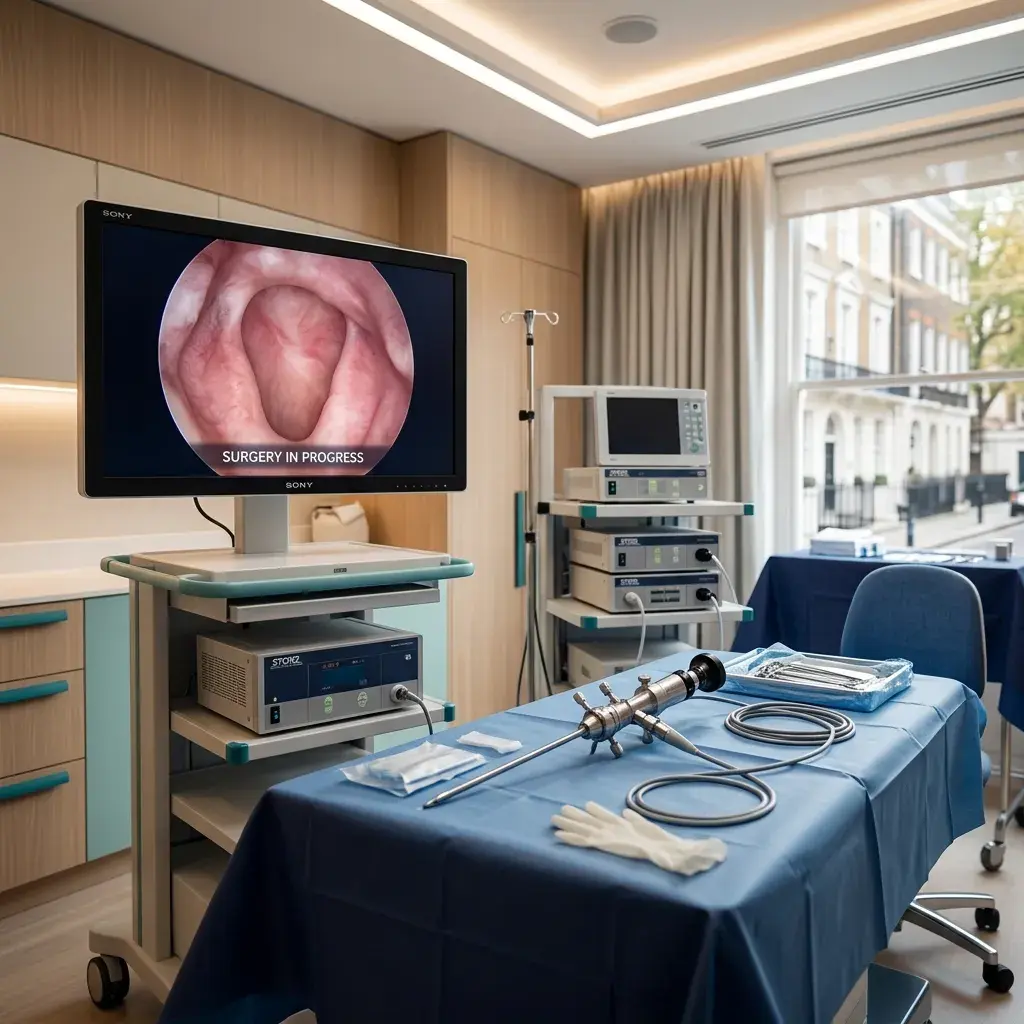
Asherman syndrome
Asherman's syndrome occurs when adhesions form inside the uterus, most commonly after curettage. Diagnosed by hysteroscopy and treated with minimally invasive hysteroscopic adhesiolysis.
What is Asherman's syndrome?
Asherman's syndrome (intrauterine synechiae) is a gynecological condition caused by the formation of scar tissue (synechiae or adhesions) within the uterine cavity. These adhesions prevent normal endometrial growth and can lead to problems with menstruation, fertility, and pregnancy maintenance.
Causes of Asherman's syndrome
- Repeated curettages: the most common cause — each curettage increases the risk of adhesion formation
- Cesarean section: surgical trauma to the uterus can lead to synechiae
- Uterine fibroid surgery (myomectomy) — particularly submucosal fibroids
- Intrauterine infections: endometritis following delivery or surgical intervention
- Radiation therapy in the pelvic region
Symptoms of Asherman's syndrome
- Hypomenorrhea: very light menstruation or complete absence of menstruation (amenorrhea)
- Cyclic lower abdominal pain: without visible menstruation (cryptomenorrhea)
- Inability to conceive: infertility due to inability of embryo implantation
- Recurrent miscarriages: insufficient endometrium to maintain pregnancy
Diagnostics
- Hysteroscopy: the gold standard — direct visualization of synechiae in the uterine cavity
- Hysterosalpingography (HSG): X-ray with contrast showing uterine irregularities
- 3D ultrasound: can detect suspicious changes but is not sufficient for definitive diagnosis
- Routine 2D ultrasound CANNOT reliably diagnose Asherman's syndrome — which is why the condition is often missed
Treatment by hysteroscopy
Asherman's syndrome is treated hysteroscopically — a minimally invasive method:
- Endoscopic scissors precisely cut the synechiae (adhesions)
- The goal is minimal damage to healthy uterine tissue
- The procedure takes 20–40 minutes under general or local anesthesia
- After the procedure, a balloon or IUD may be placed to prevent re-adhesion
- Estrogen hormone therapy is administered to stimulate endometrial regeneration
Prognosis and pregnancy planning
Treatment success depends on the severity of synechiae. In mild cases, most women can conceive after hysteroscopic treatment. Severe cases require repeated procedures and longer follow-up. At Palmotićeva, we provide expert diagnosis and treatment aimed at preserving reproductive function.
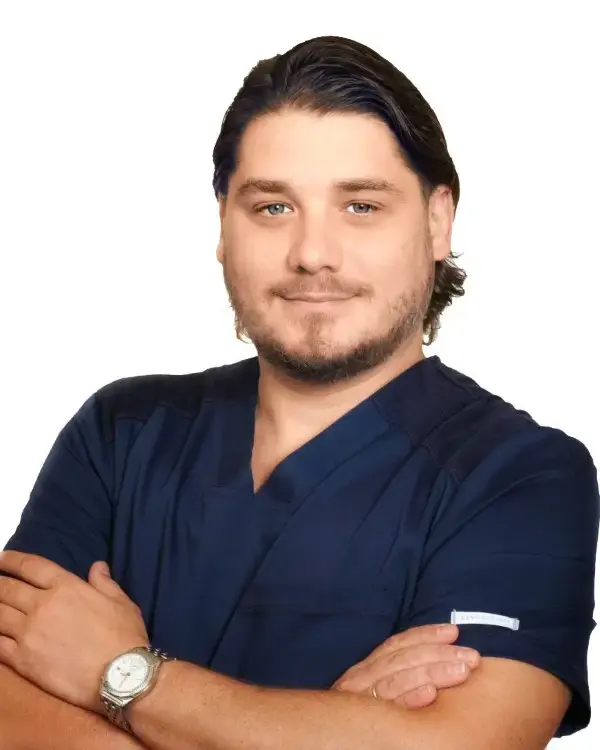
Performed by
Dr Đorđe Petković
Consultant in Operative & Endoscopic Gynaecology · 17+ years of experience
Patients often ask
The gold standard is hysteroscopy — direct visualization of synechiae. Routine ultrasound CANNOT reliably detect it, which is why it is often missed.
Yes. Adhesions reduce or eliminate the endometrium needed for embryo implantation. After successful hysteroscopic treatment, most women can conceive.
It is possible. A balloon or IUD may be placed after treatment, and estrogen therapy is given to prevent re-adhesion and stimulate endometrial growth.
Recovery is quick — return to normal activities in 1–2 days. A follow-up hysteroscopy is scheduled after 4–6 weeks.