Sterility in women
Female infertility — causes, diagnosis, and modern treatment methods at an experienced gynecology clinic.
Female infertility — causes and diagnosis
Female infertility is the inability to conceive after 12 months of regular unprotected intercourse. It affects about 10-15% of reproductive-age couples. Causes are diverse and require systematic diagnosis.
Most common causes of female infertility
- Ovulation disorders — PCOS, hypothalamic amenorrhea, premature ovarian insufficiency
- Tubal factor — fallopian tube damage or obstruction (due to PID, endometriosis, previous surgeries)
- Endometriosis — endometrial tissue outside the uterus interferes with ovulation, egg transport, and implantation
- Uterine factor — fibroids, polyps, Asherman syndrome, congenital anomalies
- Cervical factor — cervical canal stenosis, abnormal cervical mucus
- Age — ovarian reserve decreases after 35, drastically after 40
- Unexplained infertility — in 10-15% of couples, the cause cannot be identified
Diagnostic protocol
- Hormonal panel — FSH, LH, estradiol, AMH, prolactin, TSH (cycle day 3)
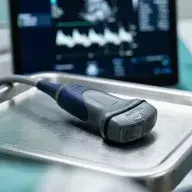
- Transvaginal ultrasound — antral follicle count (AFC), ovarian and uterine morphology
- Hysterosalpingography (HSG) — X-ray imaging of fallopian tube patency
- Hysteroscopy — direct visualization of the uterine cavity
- Laparoscopy — gold standard for tubal factor and endometriosis assessment
- Post-coital test — evaluation of sperm-cervical mucus interaction
Risk factors
- Age — the most important factor — fertility declines after 35
- Smoking — accelerates ovarian aging and reduces egg quality
- Body weight — both obesity and underweight disrupt ovulation
- Sexually transmitted infections — chlamydia and gonorrhea can damage fallopian tubes
- Stress — chronic stress affects hormonal balance
Individualized treatment approach
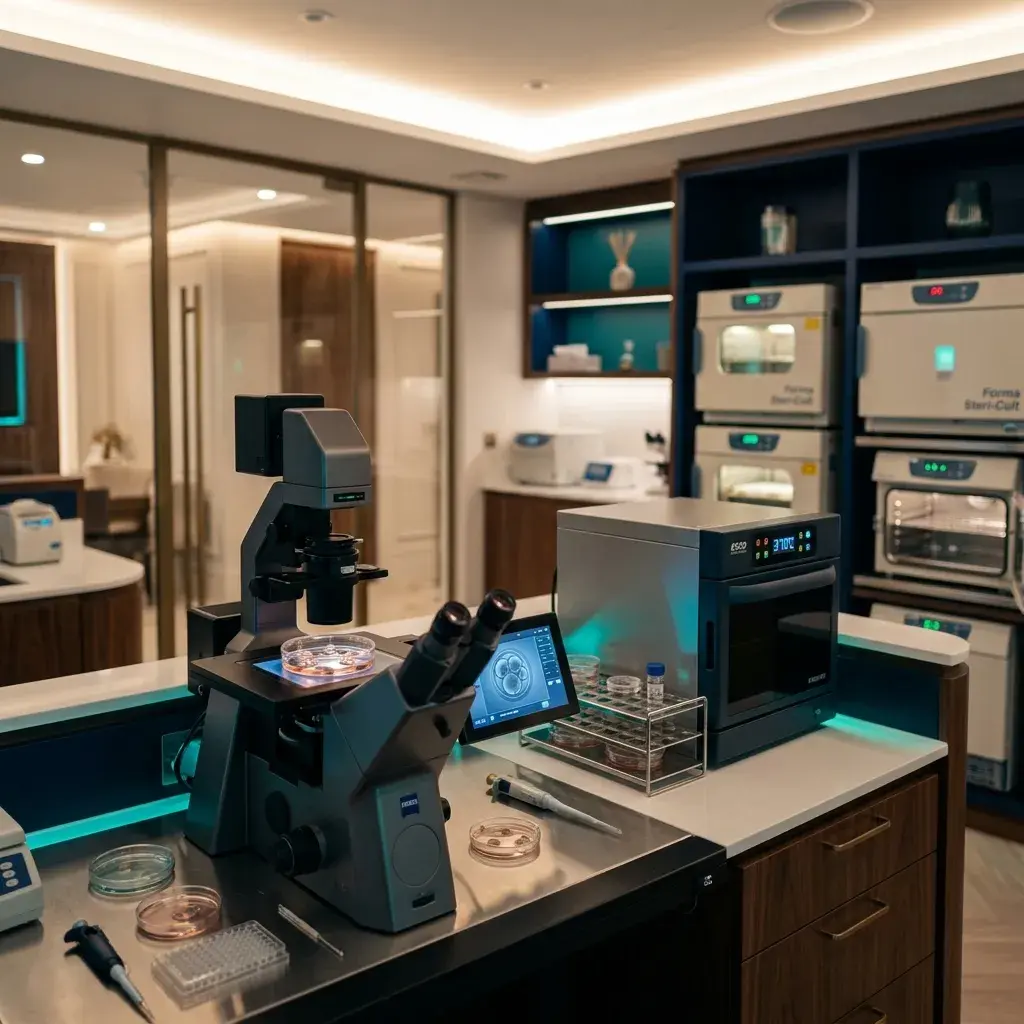
Based on diagnostic results, your gynecologist creates a treatment plan tailored to your specific situation — from hormonal stimulation, through surgical corrections, to assisted reproduction (IUI/IVF).

Written by
Dr Slobodanka Petković
Specialist in Gynaecology & Obstetrics · 35+ years of experience
Patients often ask
Anti-Müllerian hormone (AMH) is an ovarian reserve marker — it shows how many eggs you still have. Low AMH may indicate diminished reserve.
Yes, age is the most important factor. After 35, fertility begins to decline significantly, and after 40, chances of natural conception are drastically reduced.
Complete diagnosis usually takes 1-2 menstrual cycles, including hormonal tests, ultrasound, and if needed HSG or hysteroscopy.